
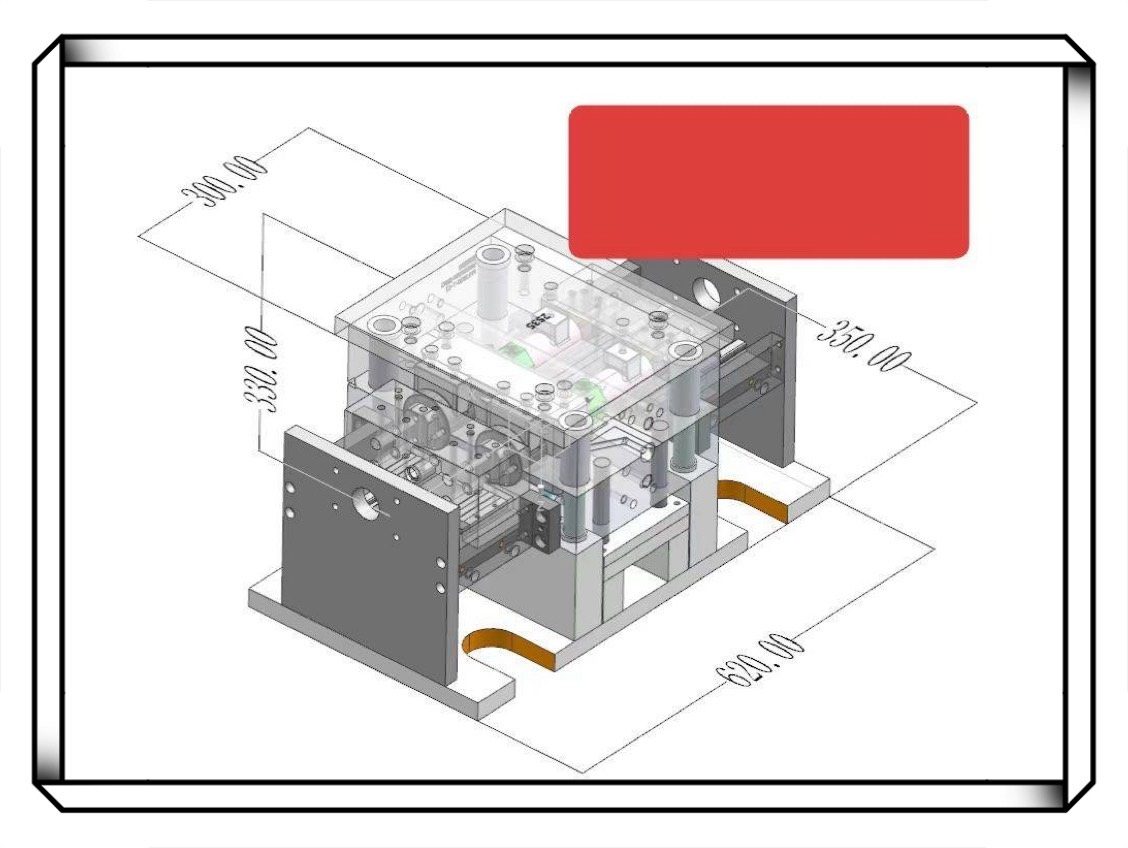
Tooling design
Die layout, parting line and shrink allowance built from your 2D or 3D data.
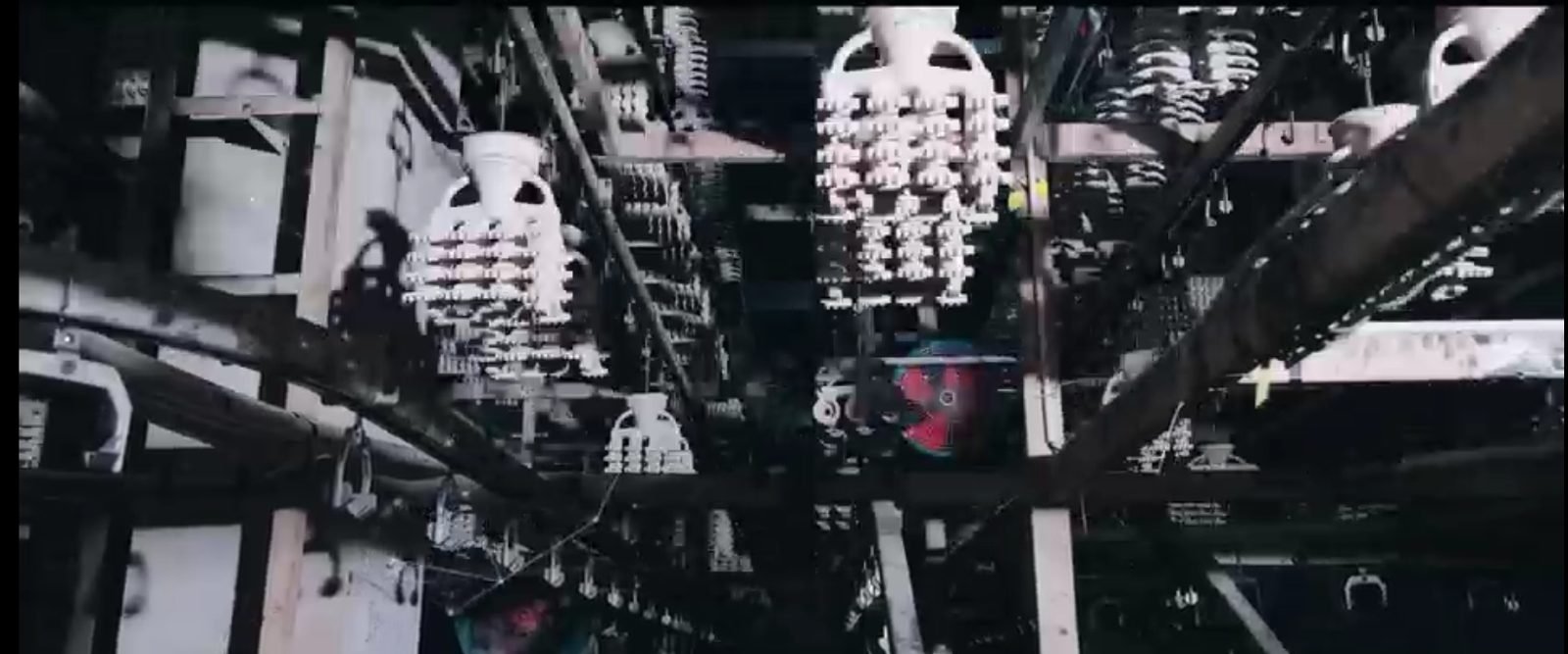
Twelve controlled steps from your drawing to a packed, inspected component. Every step below runs inside our own plant.
We review your drawing for castability, then simulate both the tool and the pour. Gating, shrinkage and fill are settled on screen so the first sample is a usable part.
Die layout, parting line and shrink allowance built from your 2D or 3D data.
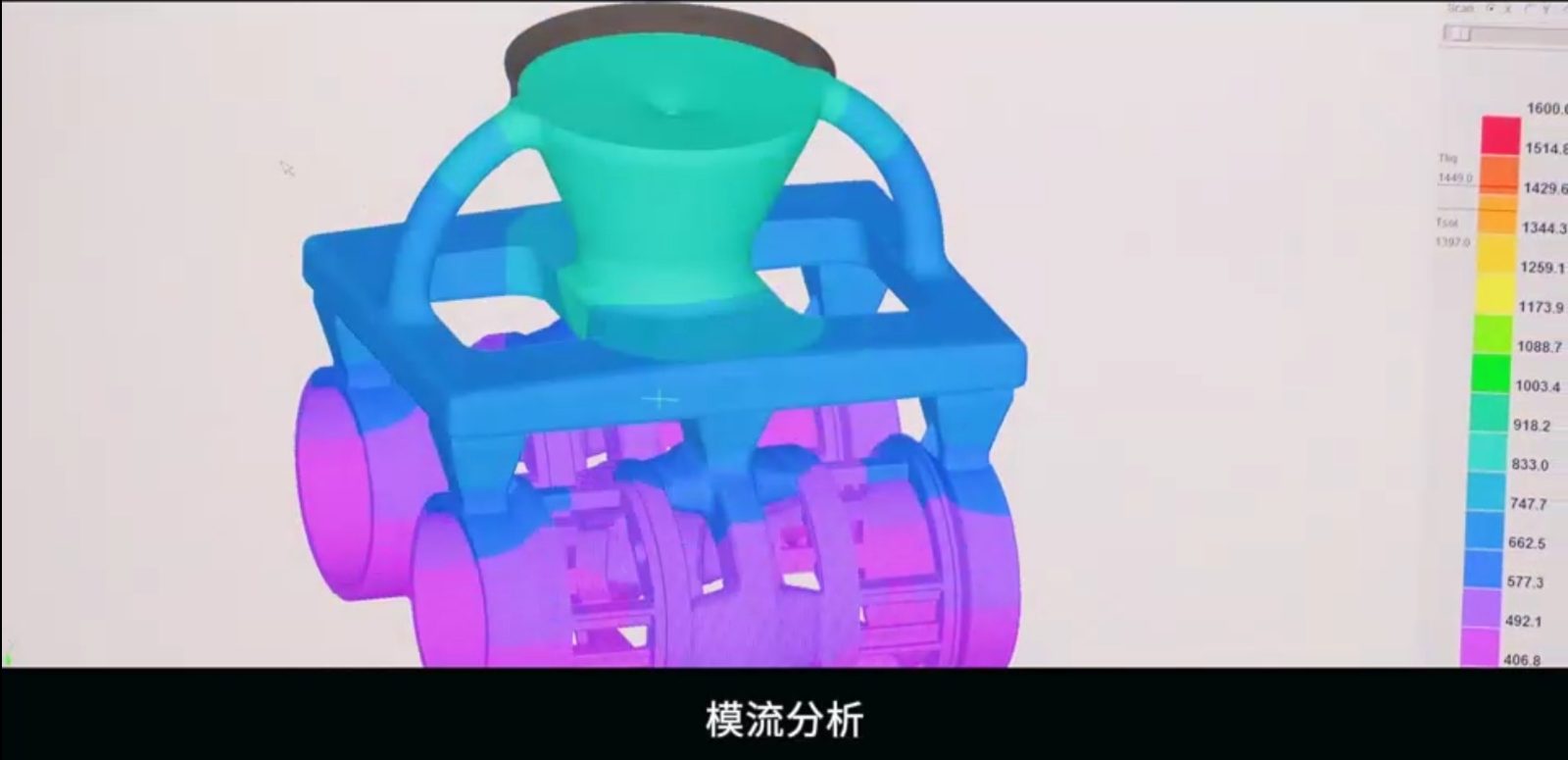
Fill and solidification modelled to place gates and risers before the tool exists.
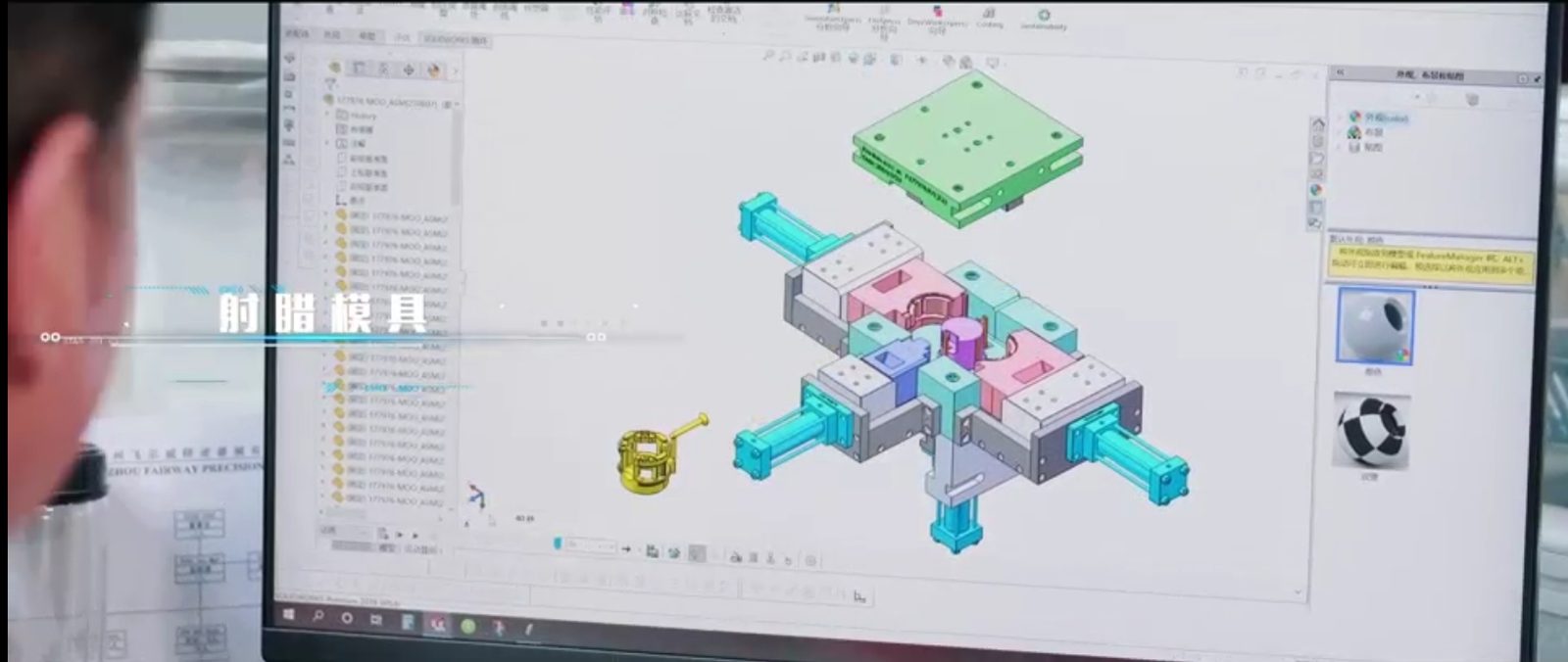
Feature-by-feature check of tolerances, wall thickness and machining stock.
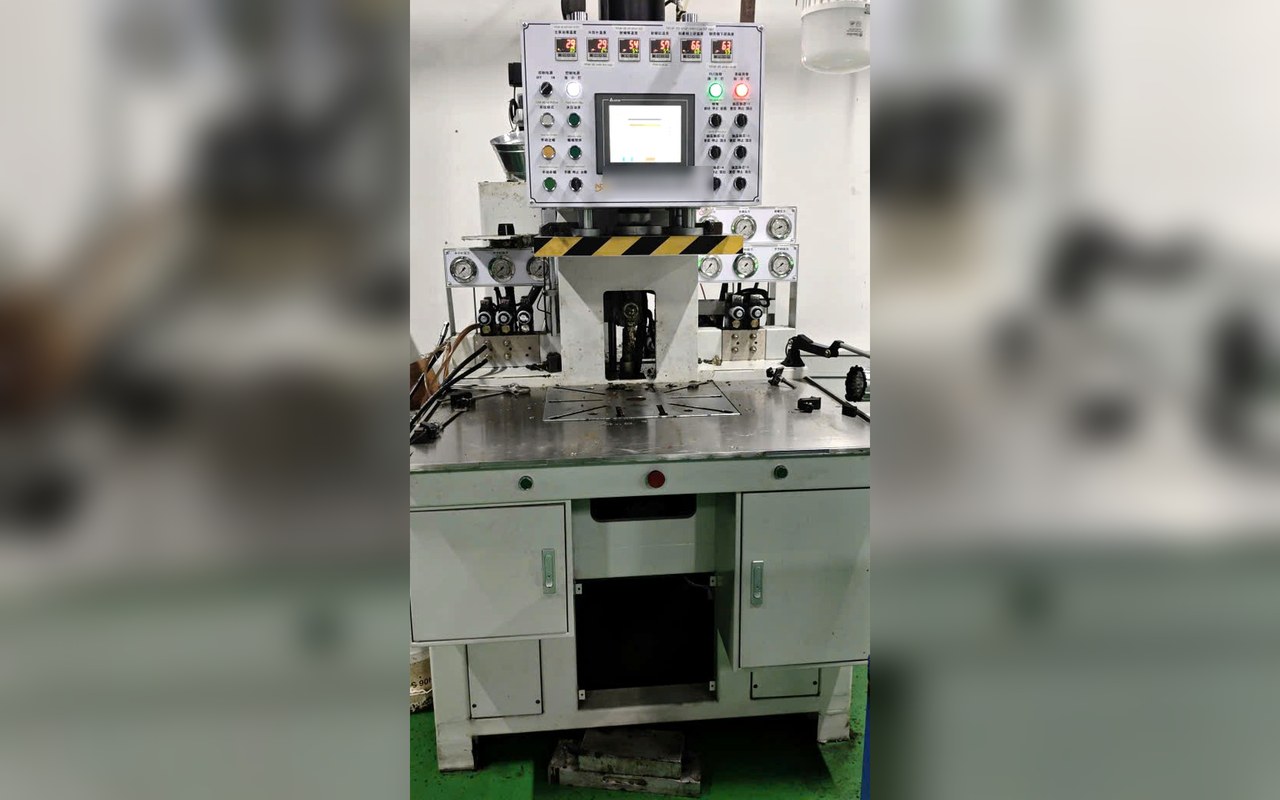
Wax patterns shot under programmed pressure and temperature, with automatic de-moulding.
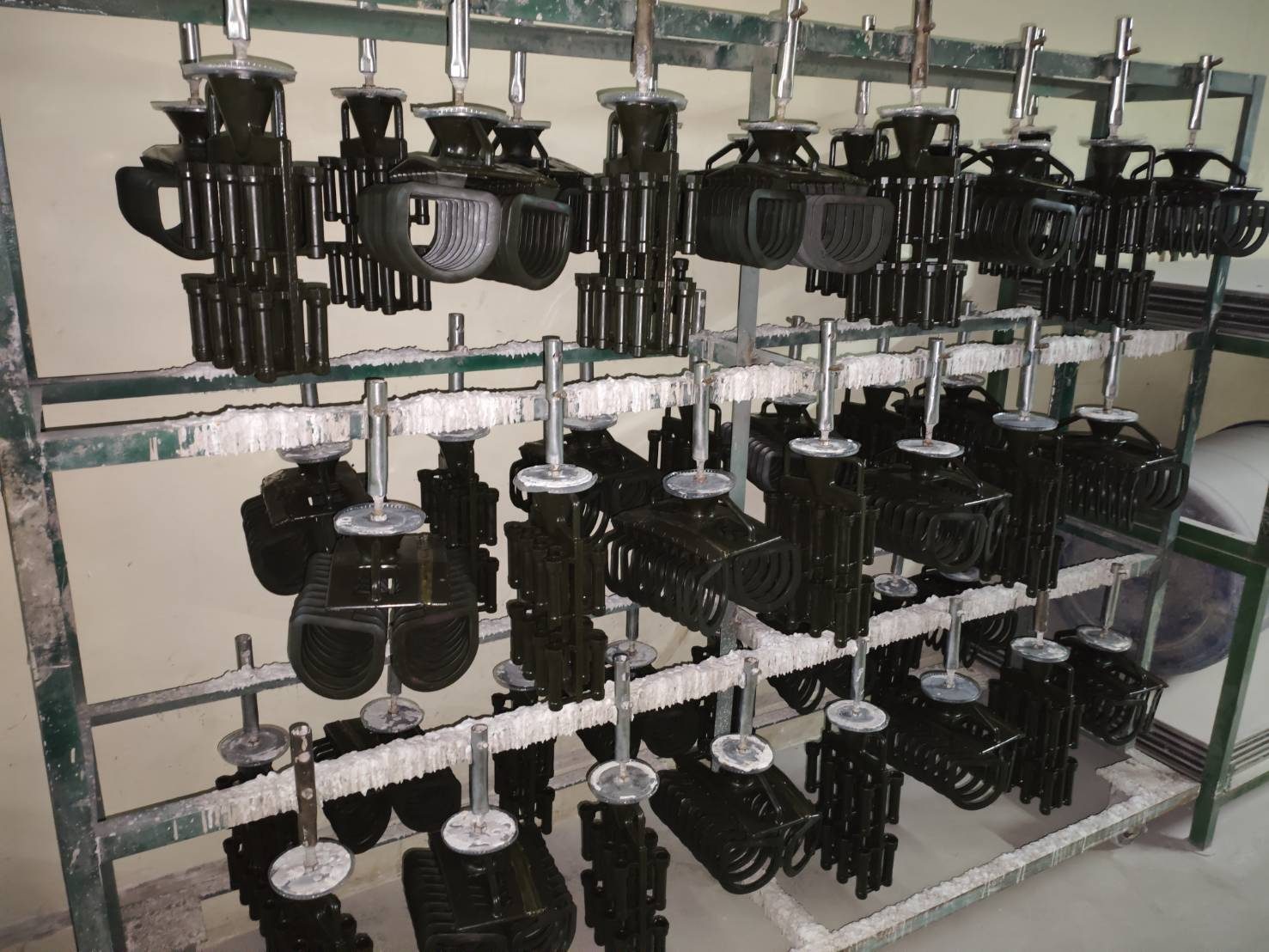
Patterns welded onto a runner tree, inspected and weighed before shell building.
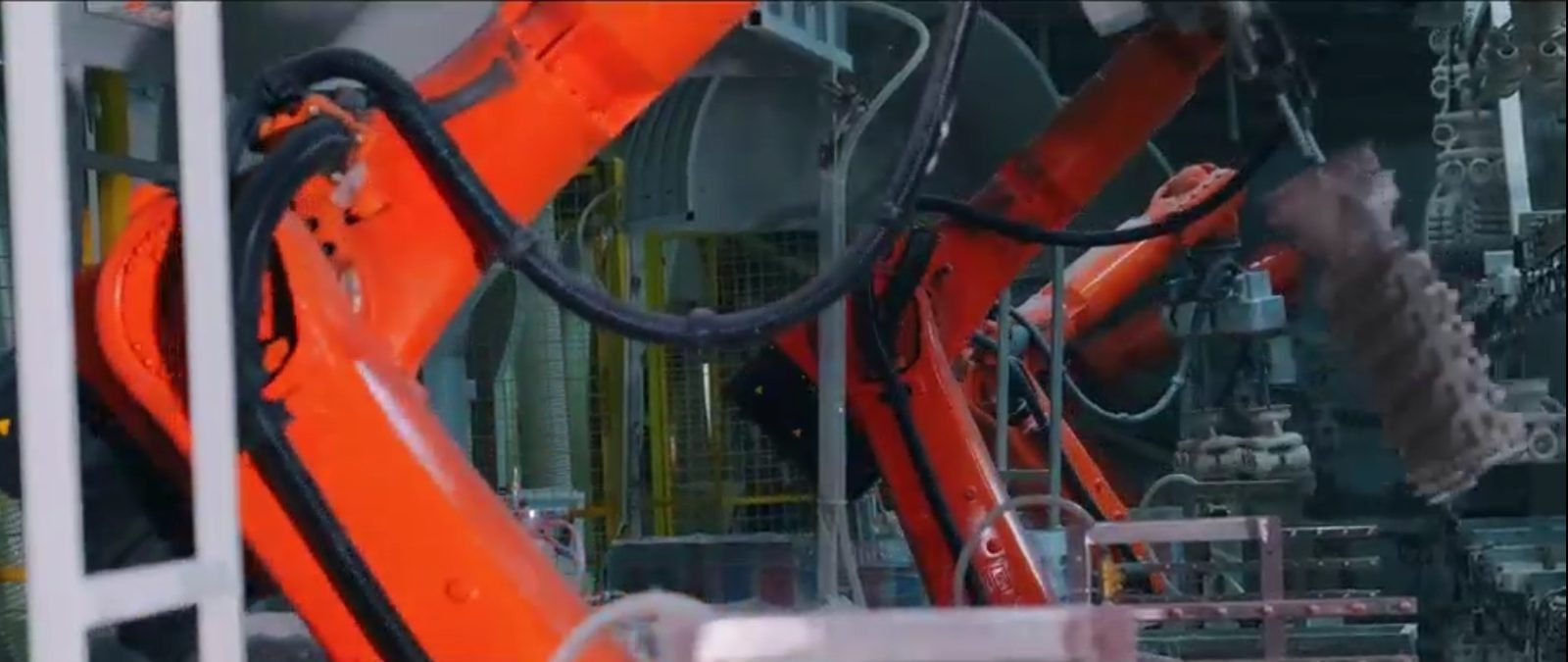
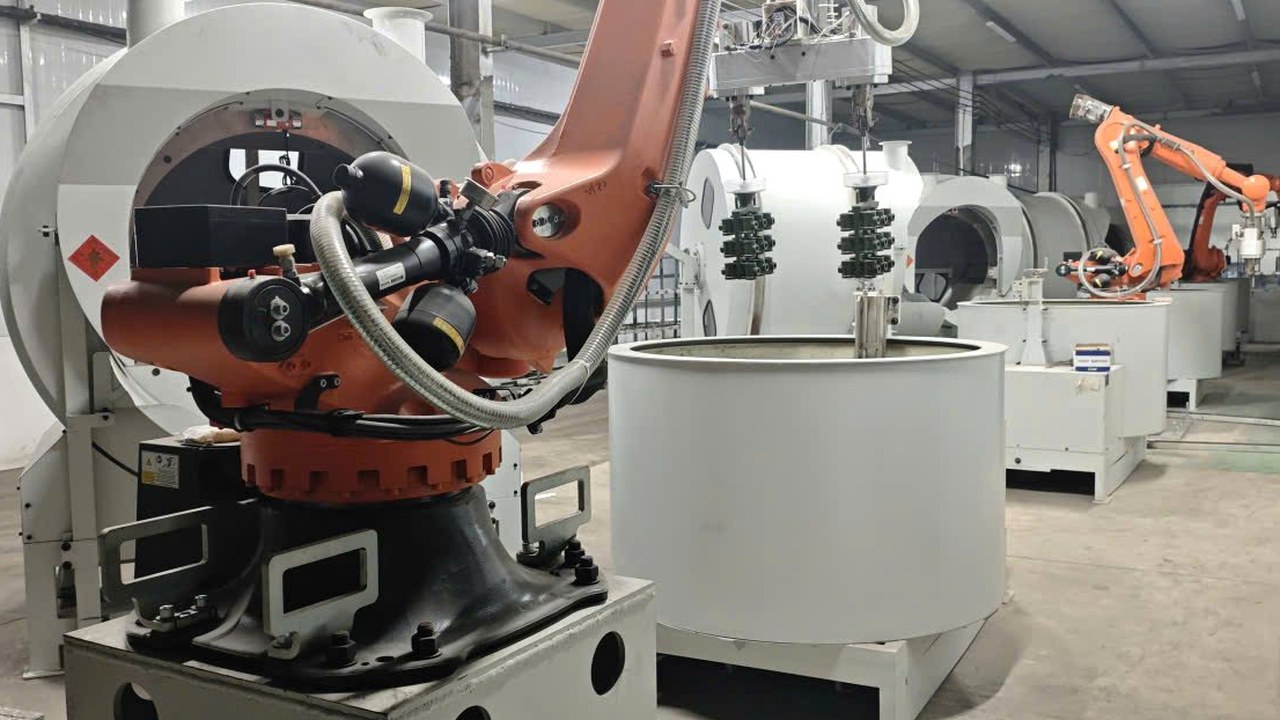
Robot-guided dipping gives even coating thickness on every tree in the batch.
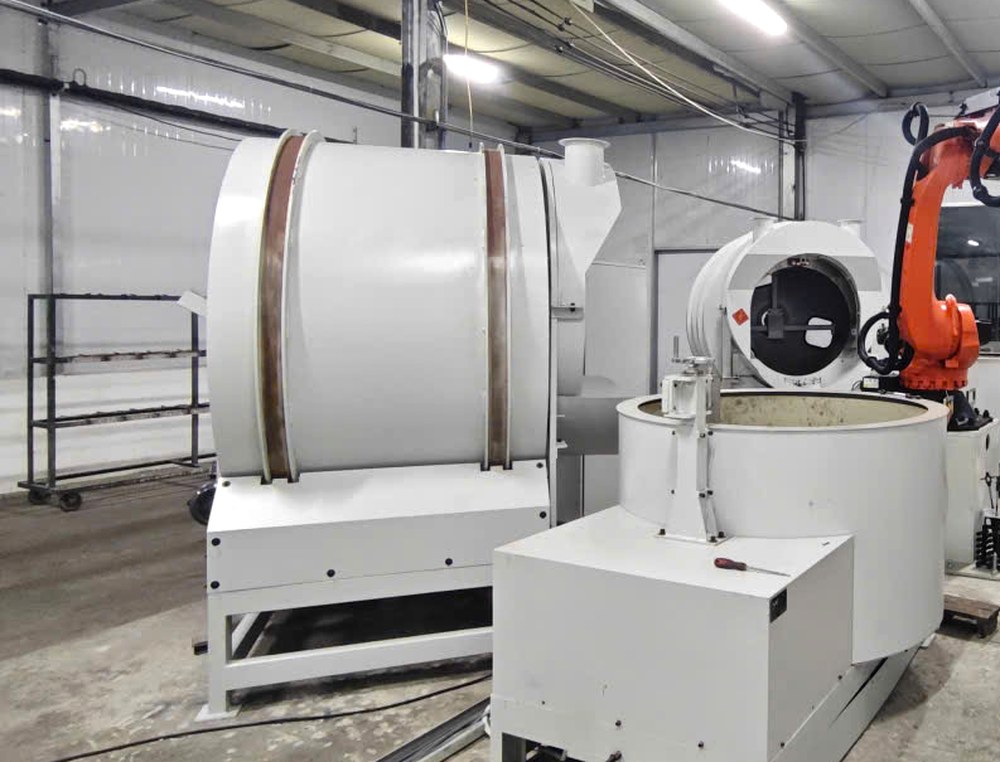
Automatic stuccoing builds the shell layer by layer to the specified thickness.
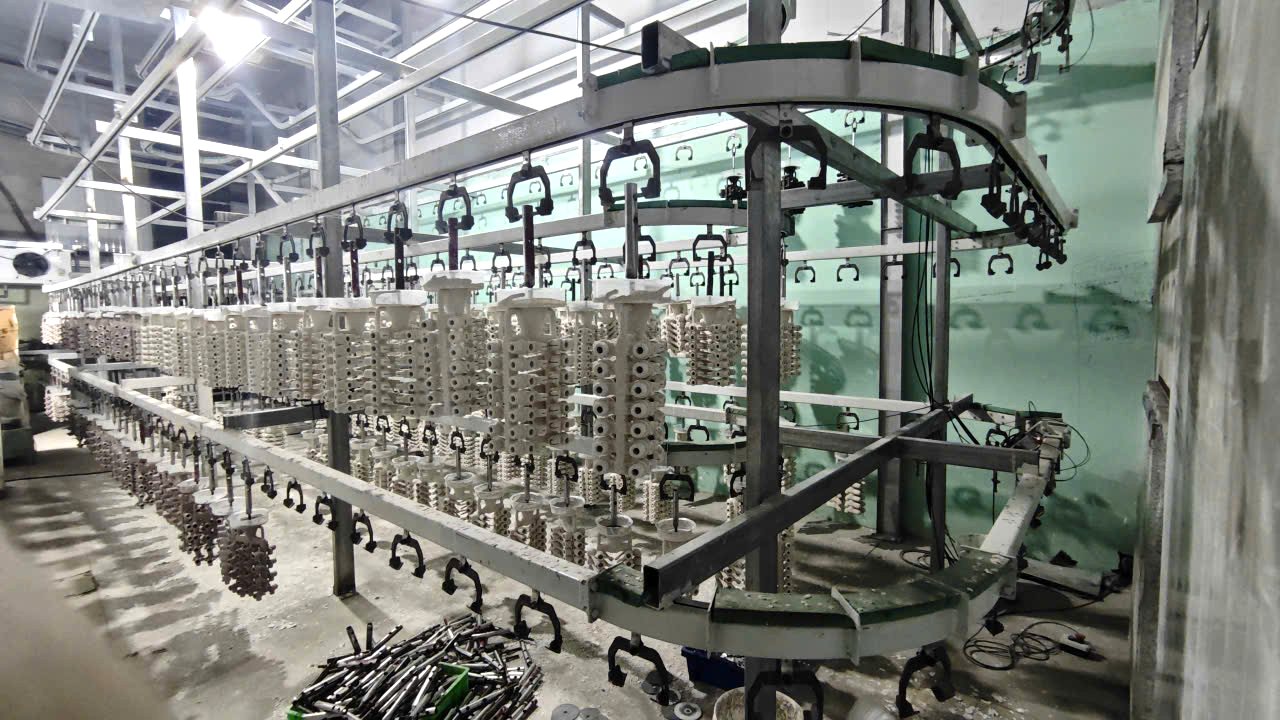
Climate-managed racks hold each coat until it is dry. This is where shell cracks are prevented.
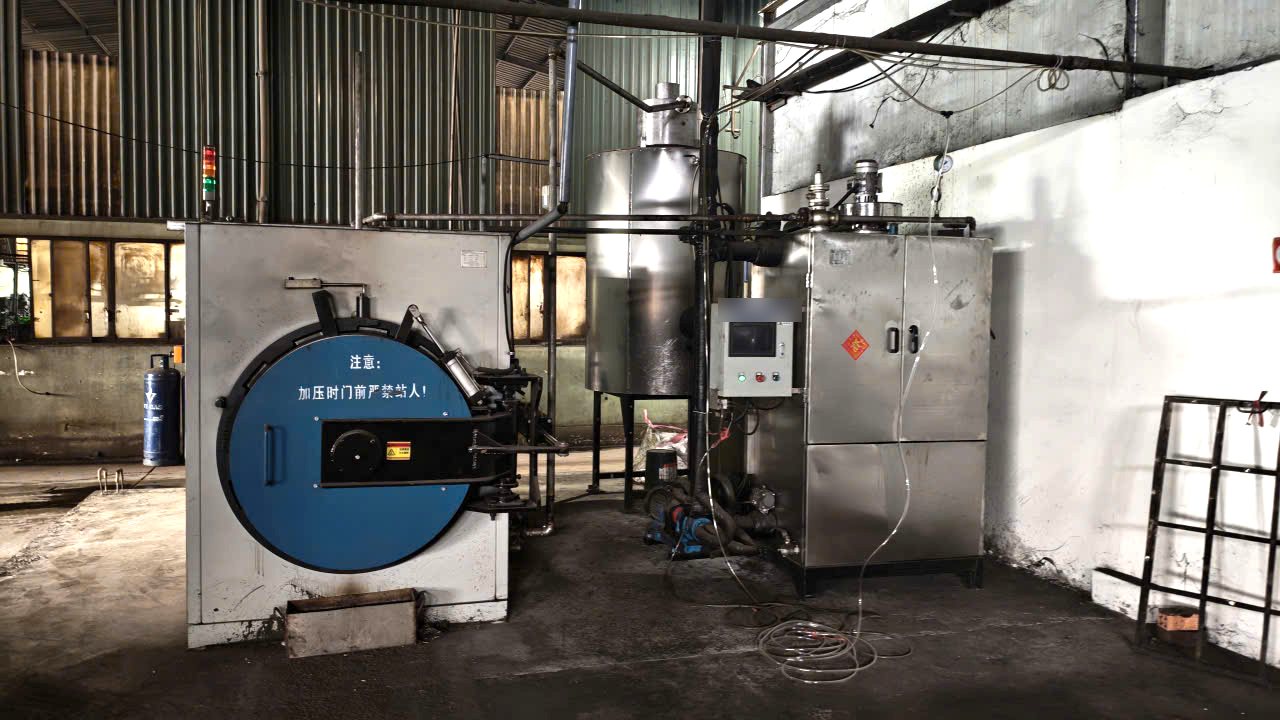
Steam de-waxing empties the shell fast enough to avoid expansion cracking. Wax is PLC-recycled.
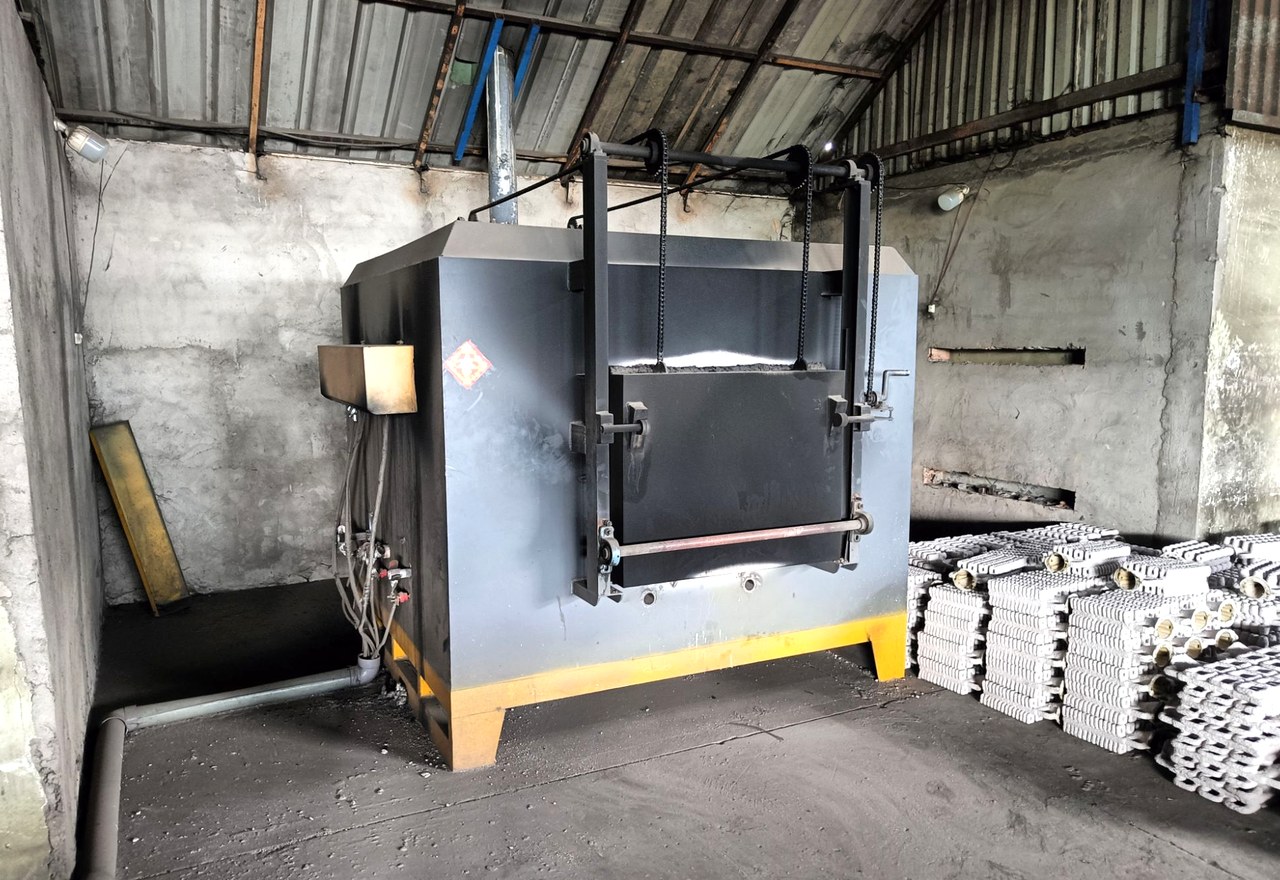
Shells are fired to burn out residue and reach pouring strength.
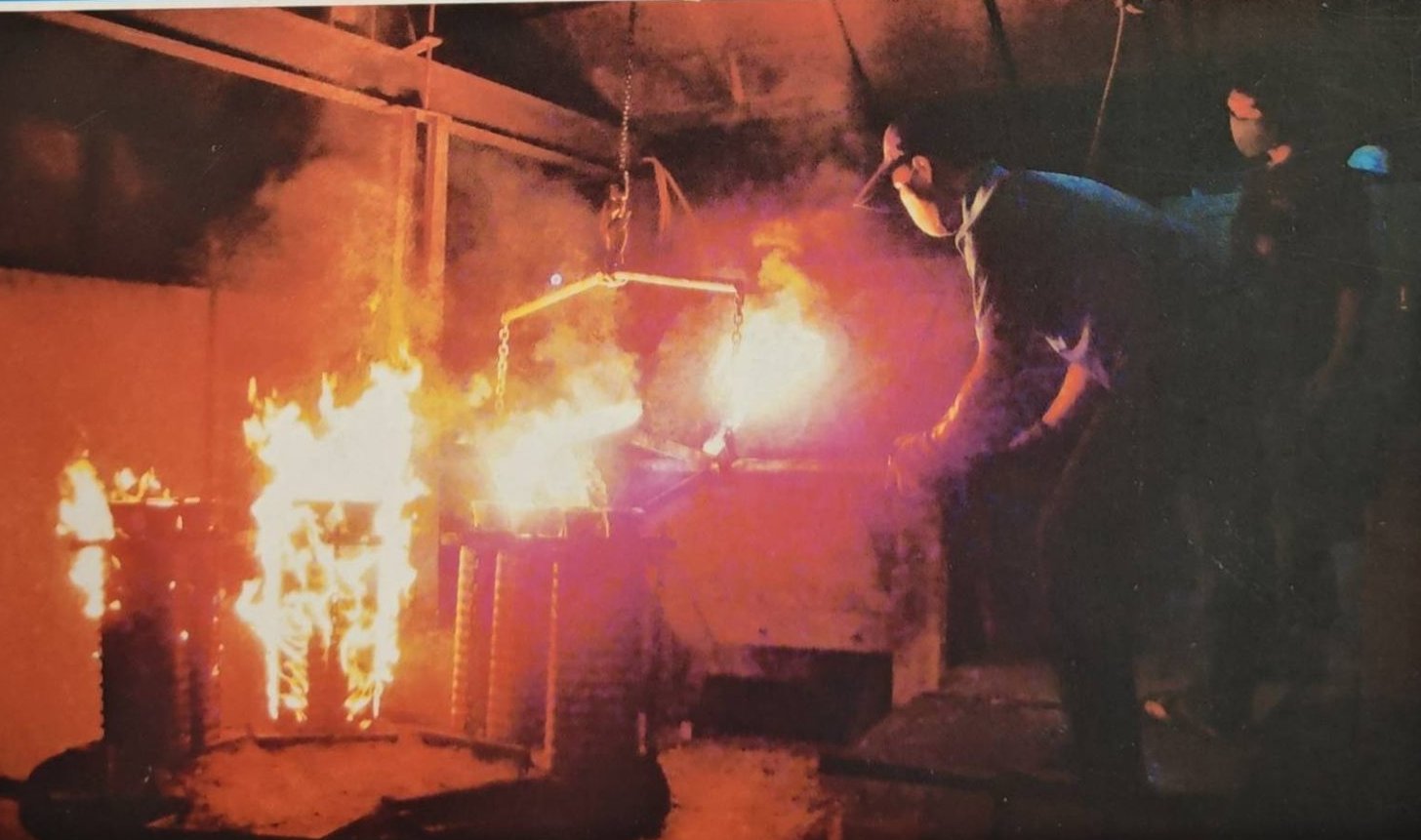
High-frequency induction melting, spectrometer-confirmed chemistry, then pouring into hot shells.
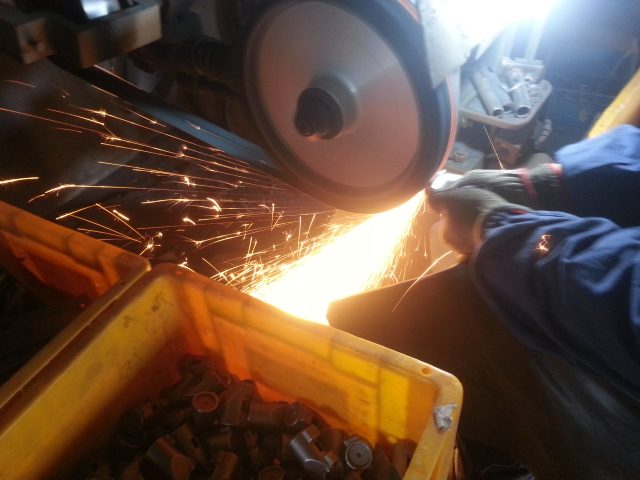
Shell knock-out, gate cutting, grinding, blasting and polishing to the agreed surface.
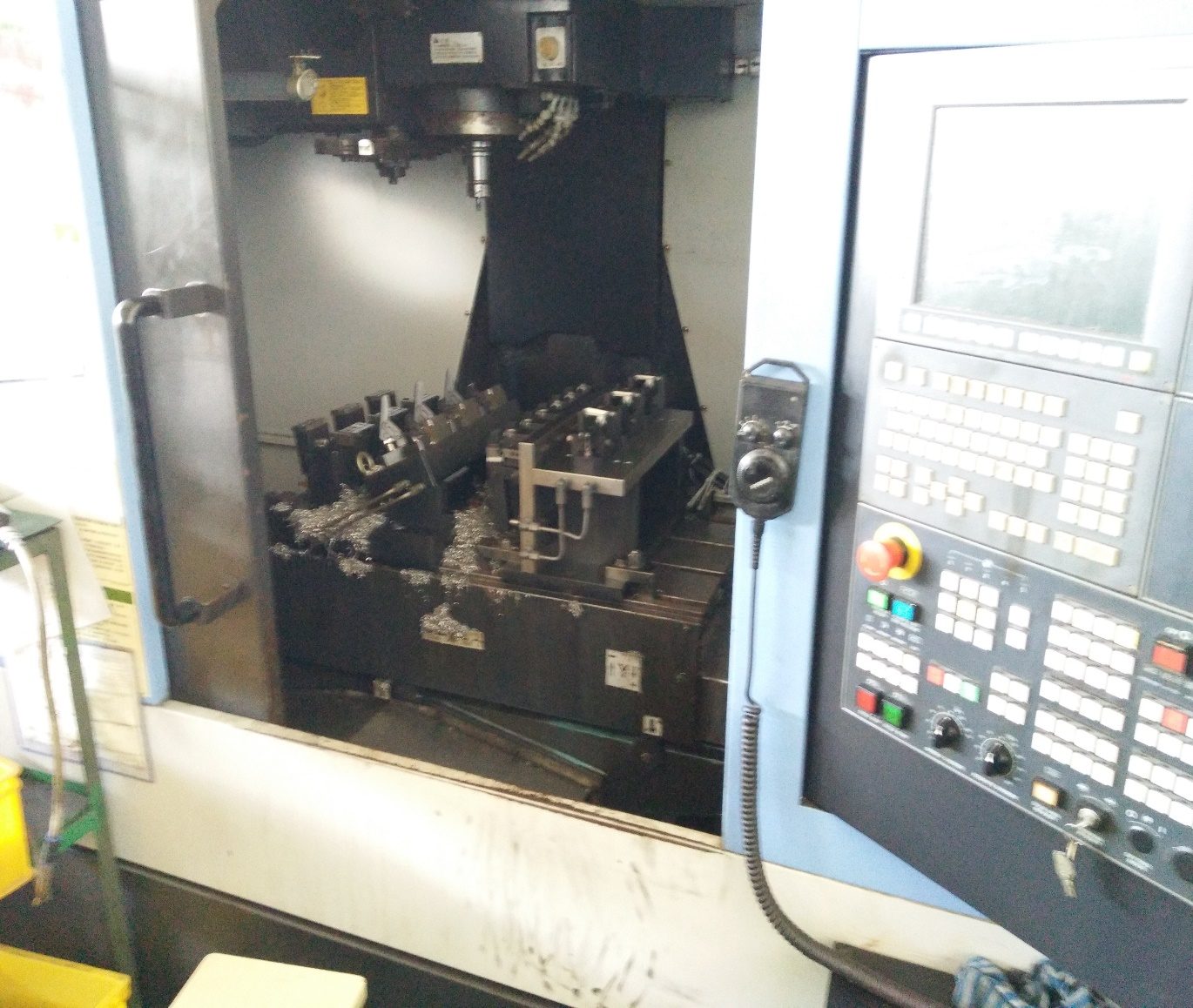
Turning, milling, drilling and threading to final drawing tolerance on our own machines.
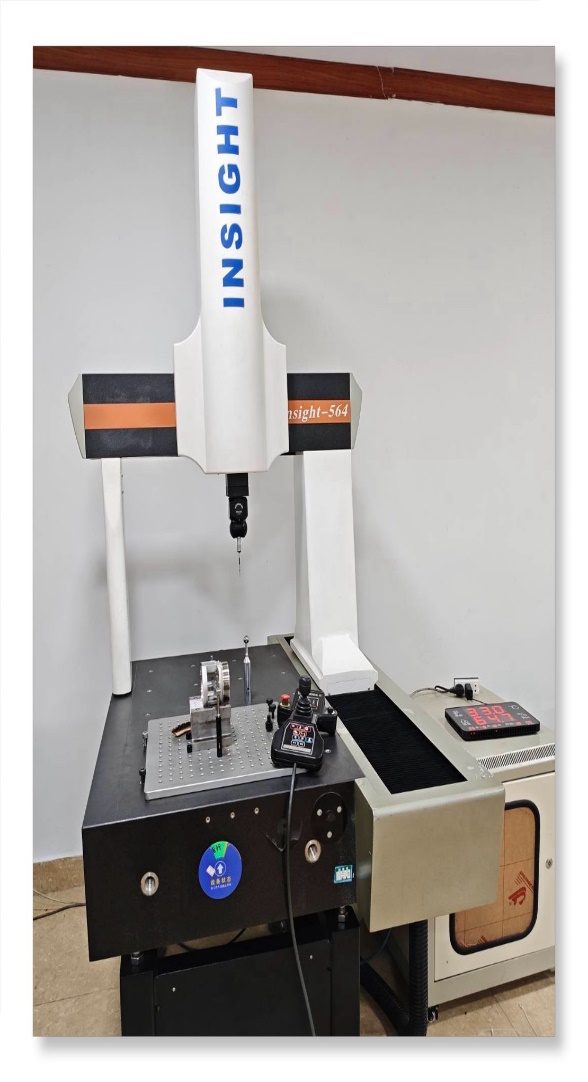
CMM dimensions, material report and leak testing, to the scope agreed for your part.
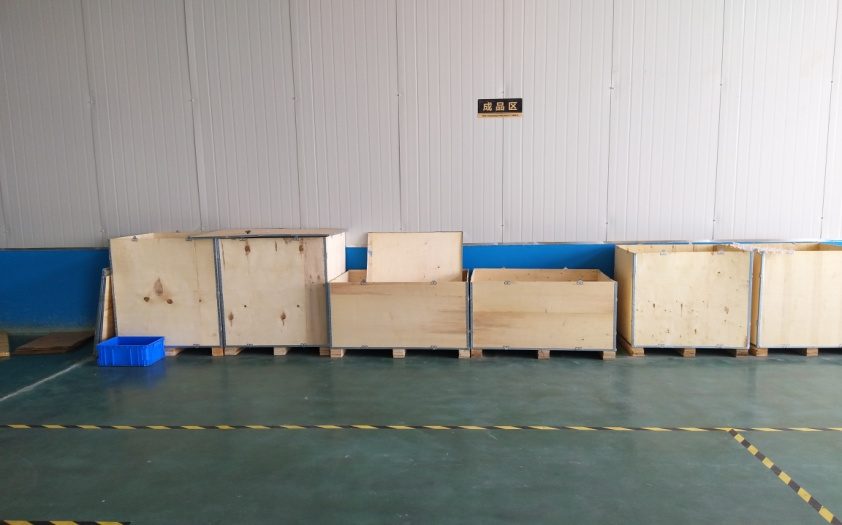
Packed to your marking requirements and shipped through our own import and export operation.
In investment casting, most defects are born in the shell, not in the pour. Uneven dipping, rushed drying and inconsistent stucco produce cracks, inclusions and dimensional drift that only appear after machining — when the part is already expensive.
That is why our dipping and sand shower are machine-controlled and our drying is climate-managed. It is the least glamorous part of the plant and the one that protects your delivery date.
Send a 2D drawing or 3D model with material, quantity and market. You get a manufacturability review and a price.
Start an RFQ